
In the beginning at Solsten our engineering team focused on building products, tools, services but we never had the time to measure what was going on in our platform (it was an early-stage startup). Even though we had a feeling of what was right or not thanks to our customers, the pain grew too strong and forced our department to allocate time in order to measure things.
|
|
(No LLMs have been used to write this)
Over the past few months, I saw a growing amount of posts on X about the Gleam language (probably the X algorithm doing its thing), and decided to give it a try. I was not disappointed, with few exceptions.
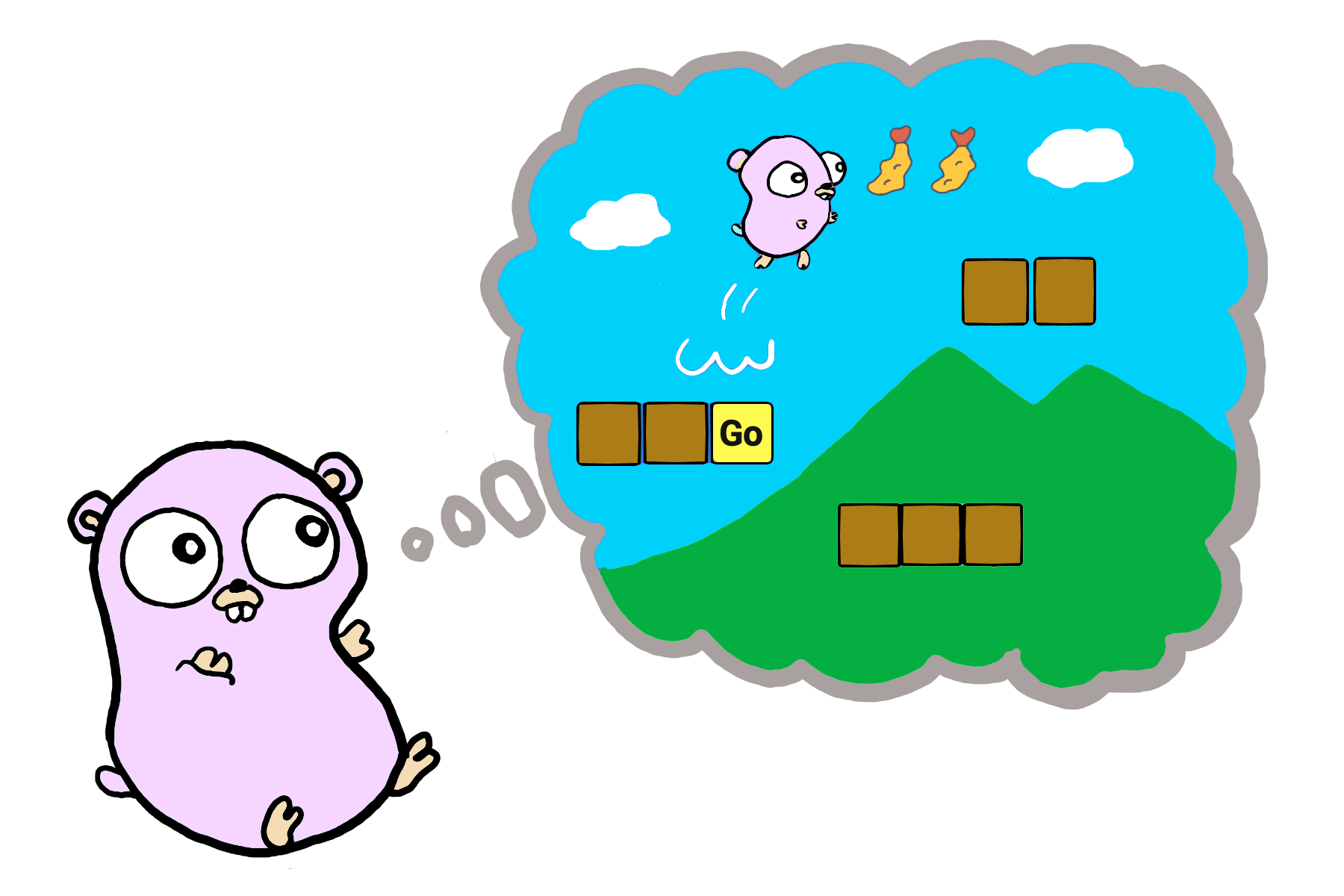
Ebiten is an open source game library in Go for building 2D games that can be ran across multiple platforms. Ebiten games work on desktop, web browsers (through WebAssembly), as well as on Mobile and even on Nintendo Switch.
Logging is a very essential part of large software, it’s hard to overstate the importance of logging, be it performance metrics logging, error logging, or debug logging for troubleshooting later.
We live in the world where there are so many offerings of information in all possible formats: podcasts, videos, blogs, etc. But reading a good book is something that you’ll never regret.
When I say “testable code”, what I mean is code that can be easily programmatically verified. We can say that code is testable when we don’t have to change the code itself when we’re adding a unit test to it. It doesn’t matter if you’re following test-driven development or not, testable code makes your program more flexible and maintainable, due to its modularity.
API clients are very helpful when you’re shipping your REST APIs to the public. And Go makes it easy, for you as a developer, as well as for your users, thanks to its idiomatic design and type system. But what defines a good API client?
You may ask why doing this if we can use a PersistentVolume? Though there may be multiple scenarios when mounting a GCS bucket to you Kubernetes Pod is a good option:
I always wanted to find a good use case of Google Home to make some DevOps tasks funnier. For example voice deployments, system metrics, etc. Since I use Kubernetes a lot, I thought it would be fun to control it via voice commands.